
Therapy Rooted in Depth,
Attunement, and Healing
Support for anxiety, trauma, ADHD, relationships, life transitions, reproductive mental health, or emotional overwhelm
There Comes a Point When Coping Stops Feeling Like Living
You may feel emotionally exhausted from carrying anxiety, trauma, ADHD, relationship stress, grief, or the constant pressure of holding everything together. Even people who appear successful and self-aware can feel disconnected underneath the surface. Therapy offers a space to slow down, understand yourself more deeply, and begin feeling more grounded, connected, and emotionally supported again.
A Greater Sense of Inner Harmony

Self-Understanding

Emotional Wellness

Inner Harmony

Meaningful Change
Areas of Support
-
When painful experiences, attachment wounds, or longstanding emotional patterns continue affecting the way you relate to yourself and others, it can become difficult to feel emotionally safe, connected, or fully present in your life. This work focuses on deep relational healing through attachment-based therapy, psychoanalysis, psychodynamic therapy, Internal Family Systems (IFS), EMDR, Brainspotting, somatic therapies, mindfulness-based approaches (MBCT), and trauma-focused care. Support is available for trauma and PTSD, dissociation and fragmentation, narcissistic abuse and NPD-related dynamics, grief, perfectionism, bullying, self-esteem concerns, and emotional patterns that feel difficult to shift. Clients are also supported in developing greater nervous system regulation, emotional resilience, and a deeper sense of connection within themselves.
-
Living in a constant state of stress, emotional overwhelm, exhaustion, or internal pressure can leave people feeling disconnected from themselves and unsure how to slow things down. Therapy offers both deeper insight and practical support for anxiety, ADHD, depression, insomnia, bipolar disorder, mood disorders, emotional regulation, and chronic stress. Approaches may include Cognitive Behavioral Therapy (CBT), Dialectical Behavior Therapy (DBT), mindfulness practices, motivational interviewing, strengths-based work, and Solution Focused Brief Therapy (SFBT). ADHD coaching and actionable tools are integrated to help clients better manage focus, emotional impulsivity, organization, and daily functioning while building greater self-understanding and self-trust.
-
Relationship struggles, caregiving stress, divorce, family conflict, and major life transitions often affect far more than the surface issue itself. Many people find themselves repeating painful relational patterns, struggling with boundaries, or feeling emotionally disconnected from the people closest to them. Through attachment-focused relationship work, Gottman Method approaches, family and marital therapy, and emotionally attuned care, sessions help clients strengthen communication, emotional understanding, intimacy, and connection. Support is also available for parenting challenges, caregiving roles, career counseling, identity shifts, and periods of significant personal change.
-
Experiences related to womanhood, identity, body image, self-worth, and emotional wellbeing are often deeply personal and difficult to carry alone. Therapy creates space to explore these experiences with compassion, depth, and emotional attunement while supporting clients through women’s mental health concerns, disordered eating, perfectionism, confidence struggles, and identity-related challenges. This work is focused not only on symptom relief, but on helping clients feel more connected, emotionally balanced, and grounded within themselves.
-
Some emotional experiences are held not only cognitively, but deeply within the nervous system and body. Ketamine-assisted psychotherapy combined with somatic and body-focused approaches can support deeper emotional processing, insight, and healing for clients seeking integrative care. Sessions are designed to help clients safely process difficult emotions, reconnect with themselves, and move through experiences that may feel emotionally stuck or difficult to access through traditional talk therapy alone. Coordinated care and medication management support are also available when appropriate.
-
Meredith’s approach is highly individualized, integrative, and grounded in extensive advanced training across multiple therapeutic modalities. Rather than relying solely on traditional talk therapy, sessions incorporate emotionally attuned exploration, corrective emotional experiences, actionable tools, and body-based interventions tailored to each client’s needs. Her work draws from person-centered therapy, psychodynamic therapy, CBT, DBT, Brainspotting, somatic therapy, mindfulness practices, attachment-based work, and other specialized approaches to support meaningful, lasting emotional change. Support is also available for therapists seeking their own therapy, dual diagnosis concerns, SoulCollage work, and clients looking for deeper exploratory and insight-oriented treatment.
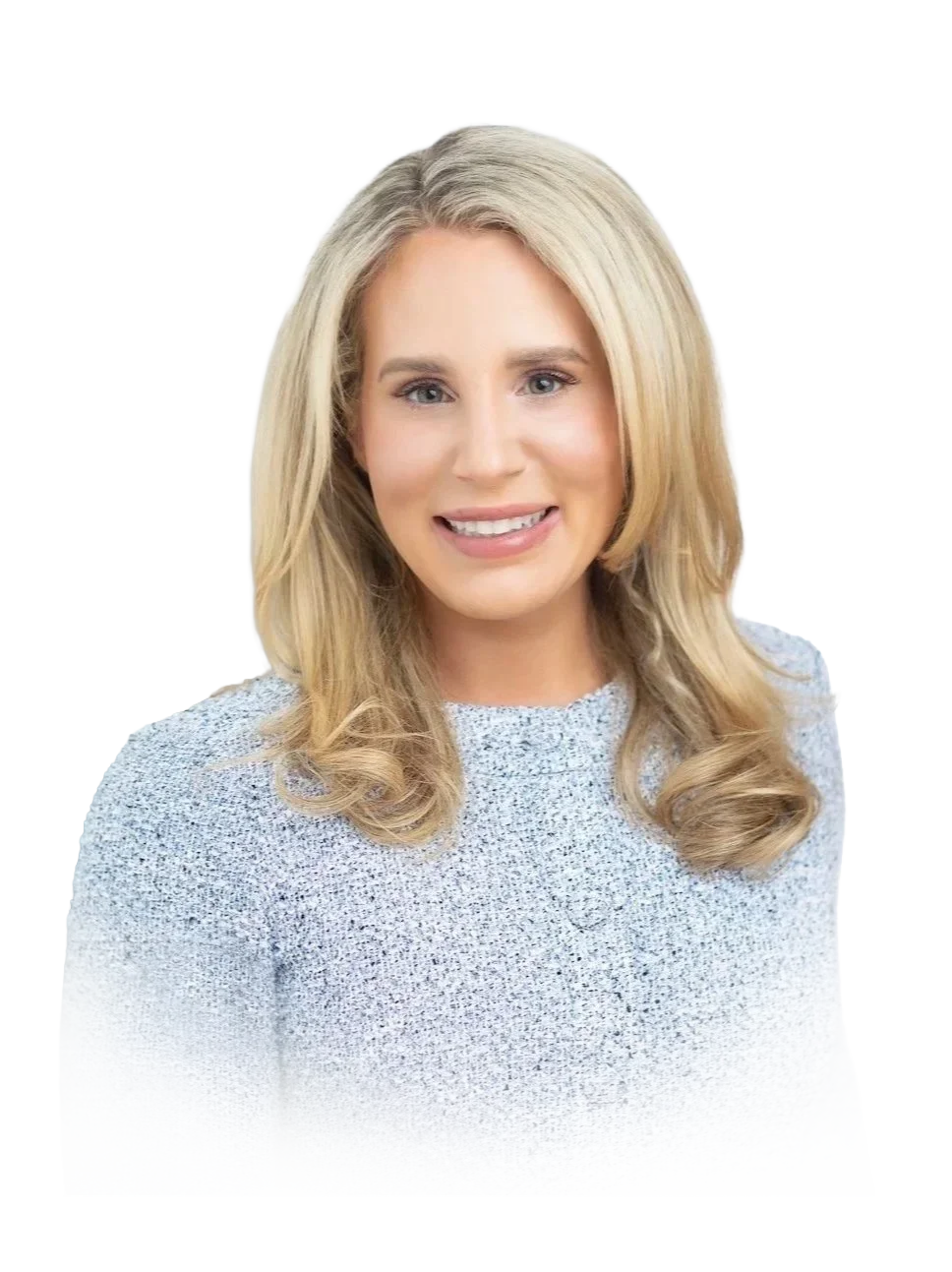
Meredith Fenton offers highly personalized online therapy for adults throughout Michigan. Her approach is grounded in emotional attunement, thoughtful collaboration, and a deep commitment to helping clients feel genuinely understood within the therapeutic relationship.
Meredith received her Bachelor of Arts in Psychology from Michigan State University, graduating Magna Cum Laude and earning recognition through the International Psychology Honor Society. She earned her Master of Arts in Clinical Mental Health Counseling from Northwestern University’s Family Institute, where she graduated with honors and focused her thesis work on the prevention of bipolar disorder misdiagnosis. During her graduate training, she was also involved in Northwestern University’s Neuroscience Club and completed advanced clinical training through The Family Institute.
Her professional background reflects an ongoing commitment to advanced education, research, and specialized clinical training. Meredith has presented on the prevention of bipolar disorder misdiagnosis through the Michigan Counseling Association and has published academic work related to Alzheimer’s dementia in a peer-reviewed journal. She is also a member of the Neuroliteracy in Mental Health Project through Marshall University and The Dana Foundation and continues pursuing extensive post-graduate training in attachment, trauma, somatic, and relational therapies.
Meredith’s work is informed by extensive advanced training across multiple evidence-based and depth-oriented approaches, allowing therapy to be tailored carefully to the needs of each individual client. Her style is warm, attentive, intellectually thoughtful, and deeply engaged, creating a space where clients can explore difficult emotional experiences with greater insight, support, and self-understanding.
She believes meaningful therapy is not only about symptom reduction, but about helping people reconnect with themselves in a way that feels more grounded, emotionally sustainable, and authentic over time.
About Meredith Fenton


-
We accept several insurance plans through Headway, including Aetna, Blue Cross Blue Shield, Cigna, and Priority Health. Private pay options are also available.
-
Meredith works with adults throughout Michigan who may be navigating anxiety, trauma, ADHD, relationship challenges, narcissistic abuse recovery, depression, reproductive mental health concerns, disordered eating, grief, or major life transitions. Many clients are high-functioning individuals who feel emotionally overwhelmed, exhausted, disconnected from themselves, or stuck in patterns they want to better understand and change.
-
Secure therapy is available for adults throughout Michigan, allowing you to access support from the comfort and privacy of your own space.
-
ADHD can affect far more than attention and focus. Support is tailored to help you better understand how ADHD is affecting your daily life while building greater self-awareness, balance, and confidence.
-
Yes. Meredith works with individuals processing trauma, painful relationship experiences, attachment wounds, and chronic stress responses that may continue affecting daily life, emotional well-being, and relationships. She integrates trauma-informed approaches, including EMDR, brainspotting, somatic therapies, and attachment-focused work to support healing.
-
Yes. Meredith has experience supporting individuals navigating bipolar disorder, mood instability, and the impact these experiences can have on relationships, identity, and daily life. Her approach is thoughtful, collaborative, and grounded in helping clients better understand their emotional patterns while creating greater stability and self-awareness.
Frequently Asked Questions

Return to Yourself
There are times when people become so focused on surviving, coping, or caring for everyone around them that they slowly lose connection with themselves in the process.
Meredith offers a thoughtful and deeply supportive space to better understand what has been weighing on you.
Scheduling a free consultation offers a gentle place to begin returning to yourself.